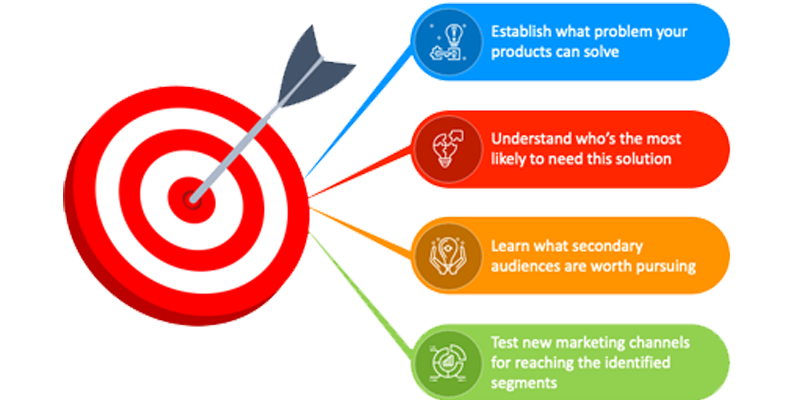
Basically The better you understand your target market, the more you’ll be able to focus your reach the audience most likely to convert into customers.
Your target market sets the tone for your entire marketing strategy from how you develop and name your products or services right through to the marketing channels you use to promote them.
What is a target market?
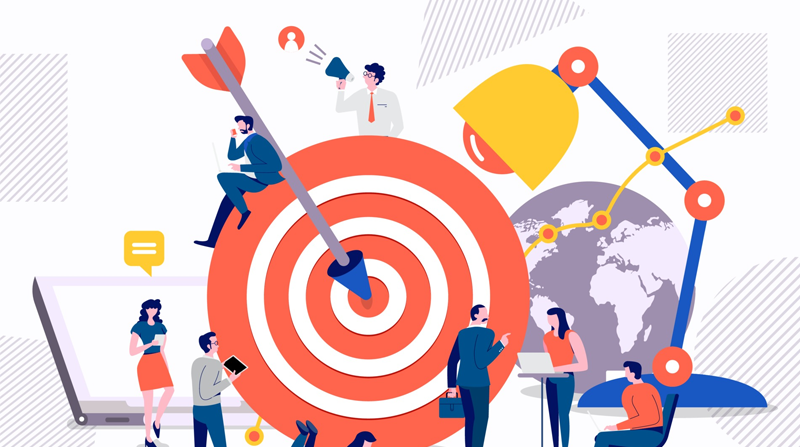
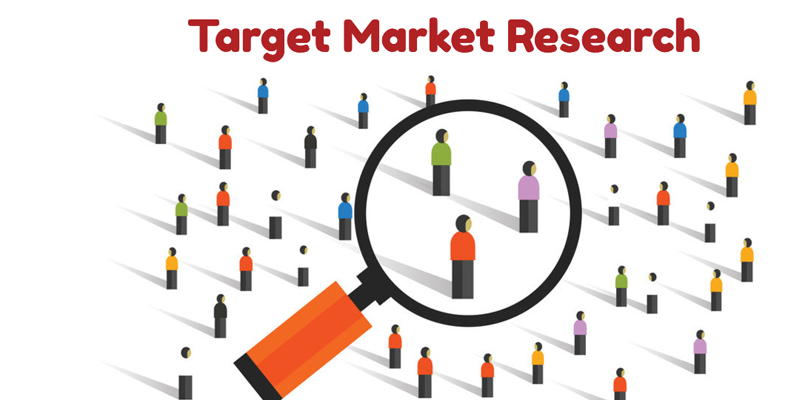
- A target market is a group of potential customers that you identify to sell products or services to. Each group can be divided into smaller segments. Segments are typically grouped by age, location, income and lifestyle.
- The more clearly you define your target market, the better you can understand how and where to reach your ideal potential customers.
- Don’t be afraid to get highly specific. This is all about targeting your marketing efforts effectively, not stopping people from buying your product.
- Target market segmentation is the process of dividing your target market into smaller, more specific groups. It allows you to create a more relevant marketing message for each group.
- Remember – you can’t be all things to all people. But you can be different things to different groups of people.
HOW TO DEFINE YOUR TARGET MARKET :
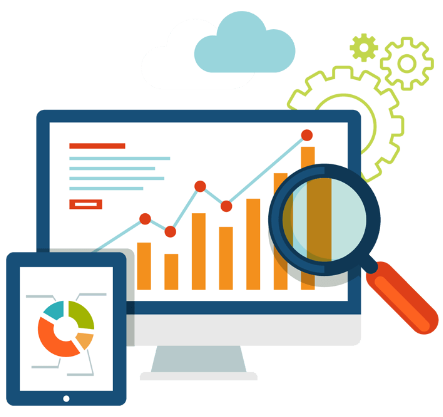
1) INCORPORATE SOCIAL DATA : Social media analytics can be a great way of filling out the picture of your target market. They help you understand who’s interacting with your social accounts, even if those people are not yet customers.These people are interested in your brand. Social analytics can provide a lot of information that might help you understand why. You’ll also learn about potential market segments you may not have thought to target before.
2) SOCIAL LISTENING : Social listening is the best way to reach out to more people. You can also use social listening to help identify the people who are talking about you and your product on social media, even if they don’t follow you. who most wants to buy from you is to identify who is already using your products or services. Once you understand the defining characteristics of your existing customer base, you can go after more people like that.
3) HAVE A CHECK ON YOUR COMPETITORS :
- Now that you know who’s already interacting with your business and buying your products or services, it’s time to see who’s engaging with the competition.
- Knowing what your competitors are up to can help you answer some key questions:
- Are your competitors going after the same target market segments as you are?
- Are they reaching segments you hadn’t thought to consider?
4) CLARIFY THE VALUE OF YOUR PRODUCT OR SERVICE : This comes down to the key distinction all marketers must understand between features and benefits. You can list the features of your product all day long, but no one will be convinced to buy from you unless you can explain the benefits.
Features are what your product is or does. The benefits are the results. How does your product make someone’s life easier, or better, or just more interesting?
If you don’t already have a clear list of the benefits of your product, it’s time to start brainstorming now. As you create your benefit statements, you’ll also by default be stating some basic information about your target audience.
5) COMPILE DATA ON YOUR CURRENT CUSTOMERS :
A great first step in figuring out who most wants to buy from you is to identify who is already using your products or services. Once you understand the defining characteristics of your existing customer base, you can go after more people like that.
Depending on how someone connects with your business, you might have only a little information about them, or a lot.
KEY TAKEAWAYS :
â— A target market is a group of customers with shared demographics who have been identified as the most likely buyers of a company's product or service.
â— Identifying the target market is important in the development and implementation of a successful marketing plan for any new product.
â— The target market also can inform a product's specifications, packaging, and distribution.
What Is an Example of a Target Market?
â— Each of the four target markets can be used to consider who the customer for a new product is.
â— For example, there are an estimated 100,000 Italian restaurants in the U.S. Clearly, they have enormous appeal.
â— But a corner pizza joint might appeal mostly, although by no means entirely, to a younger and more budget-conscious consumer, while an old-fashioned white tablecloth place might be dominated by older folks and families who live in the neighborhood. Meanwhile, a newer place down the street might cater to an upscale and trend-conscious crowd who will travel a good distance for the restaurant's innovative menu and fancy wine list.
â— In each successful case, a savvy business person has consciously considered the ideal target market for the restaurant and has tweaked the menu, decor, and advertising strategy to appeal to that market.target market is the specific group of people you want to reach with your marketing message. They are the people who are most likely to buy your products or services, and they are united by some common characteristics, like demographics and behaviors.

CONCLUSION :
â— Once a target market is identified, it can influence a product's design, packaging, price, promotion, and distribution.
â— Identifying the target market is part of the process of creating and refining a new product.
â— A target market can be translated into a profile of the consumer to whom a product is most likely to appeal. The profile considers four main characteristics of that person: demographic, geographic, psychographic, and behavioral.
â— And it can really help you to grow faster
Because having a good check on specified target market leads to faster growth of your organization.