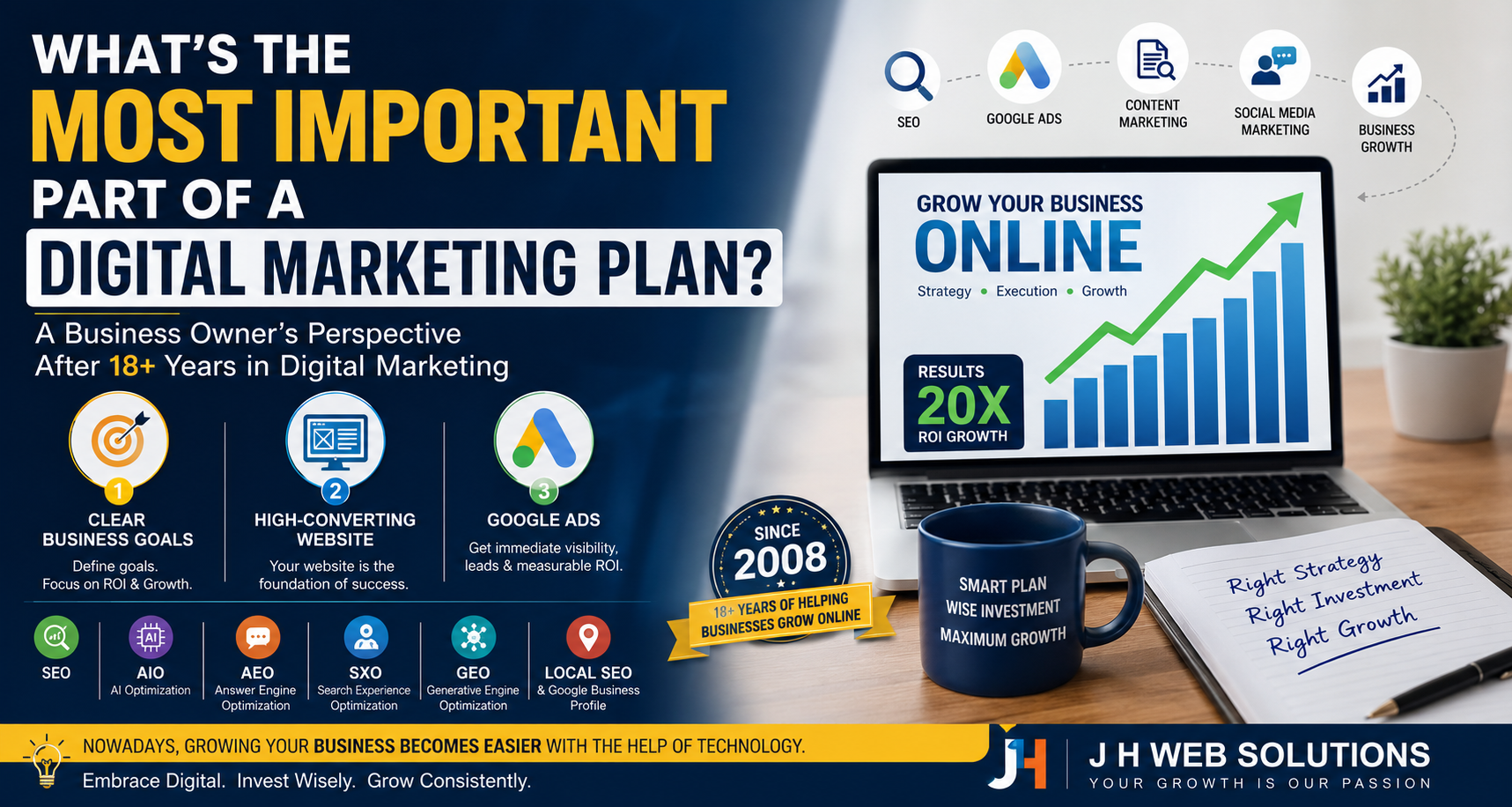
And how can it aid your business?An educational read on the effectiveness of content marketing.
If you have clicked on this blog then don't worry you are on the right path and asking the right questions.content marketing is one of many advertising techniques that can loosely be defined as curating an effective message for your target audience to increase brand awareness and boost conversion rates.When done at regular intervals and in an apt and effective manner, content marketing can really be the step that makes all the difference for an evolving brand. But it's not as simple as a few posts on Instagram that will make the change, there's a method to the madness and it involves several different ways in which content can be managed.
Just think about it: content marketing helps bridge the communication gap between human customers and businesses. There’s an old saying in sales: people pay people, not companies. Content marketing helps your sales team build rapport with customers, making them more likely to make a purchase. In this post, we’ll explore exactly what content marketing is and how you can start using it in your business today. Stay tuned!
Content marketing can be defined as the creative representation of a brand to promote it's products or services. A key aspect of content marketing is the timely release of new content to remain relevant and also to gather more keywords for better search engine results. It is a great way to reach out to potential new customers.
Why use content marketing?
Firstly it is the best way to control the way YOUR brand is perceived by the customer. It is important for people to see the brand as you want them to see it. You can highlight what differentiates you from the others by the kind of content you post. So basically you can control the vibe and energy around the brand.One of the most important aspects of marketing is showing that your products are either the best available for the price, or cutting-edge in general.
When you run campaigns that follow the content marketing definition, you also get the chance to show people that your leadership knows their stuff. For instance, a blog post about industry issues can build customer confidence, especially in the B2B space. Businesses, whether large or small, want to ensure they’re maximizing value and buying the very best for their company.
There have been various studies on the statistics of the effects of content marketing on the customer.
This is what the statistics say:
In the B2B space, according to a survey content marketing costs 62% less than other marketing methods and generates 3x the results.Marketing is what fuels the sales by getting quality information about the company's service or product in front of more and more eyes.
Similarly another study uncovered that 62% people prefer to shop from brands with a content marketing presence.
Perhaps unsurprisingly, a whopping 90% of consumers consider content marketing to be valuable. This can be because you’re introducing people to your products and services, showing them how to use them, or even providing some entertainment through lighthearted humor. Even sales offer-based content marketing is useful because customers can decide if the “price is right” and it’s time to buy.
Types of content marketing.
Now that we have covered the meaning and the significance of content marketing, we can get into the types of content which can be managed and marketed, which is different for different kind of goals or campaigns.
Blogs
Blogs are a great way to keep in touch with your audience and to educate them at the same time, which inturn helps the customer decide what to buy or opt for. You can write about topics that interests your audience such as industry issues, product explanations.
Videos
With the ever growing crowd on video based social media platforms,videos are a great way to get your message out there. Platforms ranging from YouTube to Instagram are designed to help you post content in front of more eyes as long as you keep it interesting or keep up with the trends.Increased views result in increased sales.It is important for one to keep their target audience in mind while generating content.
Podcasts
Similar to video, a podcast involves communicating with consumers in non-written form. For podcasts, though, you don’t have pictures. These are great if you have a customer base that’s busy and like to listen to things while they’re driving, flying, or even exercising. You can talk about anything that’s relevant to your audience, bring in guest speakers, and more.
Streaming
You can do live streams, both in audio and video format. These live streams help to build a community around your brand and give you an opportunity to have some fun. For instance, you can take questions, have a contest, or do a live demonstration. Each of these helps build rapport with your audience.
Photographs
Likewise, photos are a great part of the content marketing definition. Often, these are put on social media, but they’re also effective on websites. Photos can simply present your product, or they can help demonstrate a way to use it. In addition, inspirational content is a good way to connect with your audience, especially on social media.
How to develop a content marketing strategy that works
Know your audience
As it has been stated many times in this blog before that it is very important for a company owner to know their audience i.e. who they are actually making this product for or providing this service.This is the first step to decipher what kind of content must be generated.
Know your competitors
It is important for you to know your main rivals in the field as you must beat them and if you are armed with the information of how they are advertising their products or services you can design something depending on the markets demand from a different point of view.
Choose your content types and start creating
Like stated above realise the kind of content you think is more likely to resonate with your audience and start communicating it through the content.If you start you can asses the interest being reciprocated from the audience.
Know your strategy
Set basic benchmarks in terms of customers reached,and try to fullfill it.If after posting content there isn't an increased response then try changing the kind of content.
How to Measure Content Marketing ROI
Finally, once you’ve run a content marketing campaign, you’ll need to evaluate the ROI. In most companies, there are minimal benchmarks that you’re expected to meet. And, especially for small businesses, a minimal ROI is crucial for controlling costs.
Measuring the ROI of content marketing can seem like a daunting task, but it doesn’t have to be. There are a few key metrics that you can focus on to get a clear picture of your content marketing performance. First, take a look at your website traffic. Are more people visiting your site since you started publishing content? If so, that’s a good sign that your content is resonating with your audience.
Another metric to consider is engagement. Are people spending more time on your site, or bouncing off after just a few seconds? If people are sticking around to read your content, that’s another positive sign. Finally, you can also look at leads and sales. Are you generating more leads and sales from your content marketing efforts? If not, then it’s time to adjust.
At the end of the day, your return on investment is a function of how much you paid to get each desired action, divided by the cost of your content marketing campaign. So, if you wanted to get more site visitors, it’s the price of each site visitor. Likewise, for leads, consider the value of each lead. Over time, you’ll learn what works well, and what doesn’t. Then, you can maximize your ROI more easily.
Conclusion.
It has become a need to understand these things in the ever evolving business world about content management.For any kind of business.The information in this blog has been statistically proven and if executed right can produce phenomenal results.